logo
logo

Infrastructure Design
We reimagine the role and interface of critical infrastructure that sustains our everyday lives. Our work has opened new possibilities for water, energy and waste infrastructure to be present, transparent, and environmentally and socially transformational within the communities they serve.

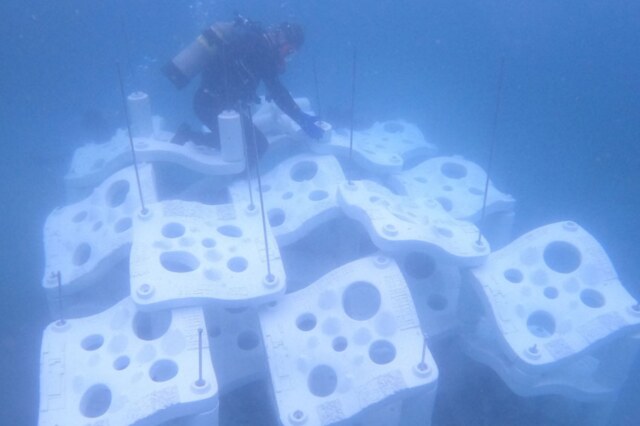
Marine Living Structures Initiative

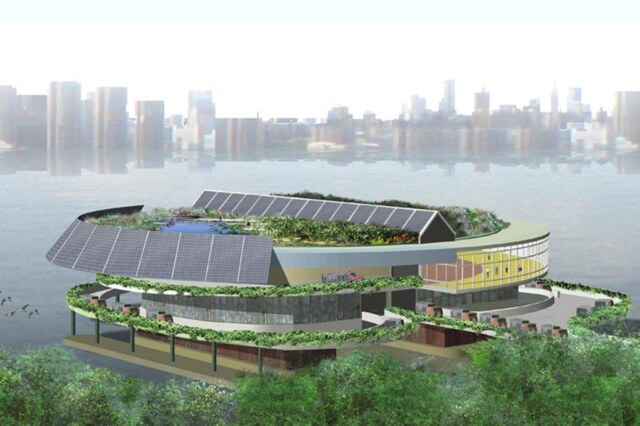
The Marine Living Structures Initiative (MLSI) is a collaborative program merging sustainable…

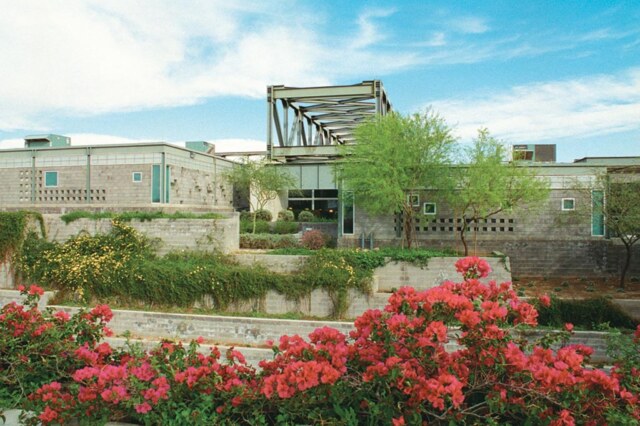
Phoenix Recycling Facility

Michael Singer and Linnea Glatt were hired as artists by the Phoenix Arts Commission and the Department of Public Works to provide the conceptual design for the 27th Avenue Solid Waste Transfer and Recycling Center. The project, a 100,000 square foot facility on 25 acres, transformed an “out-of-sight, out-of-mind” piece of infrastructure into a dynamic facility that stands out proudly within the city’s landscape. At the forefront of the design was the mission to create an aesthetically beautiful and functional facility that would engage the public to promote recycling while simultaneously creating a sense of communal pride in this critical piece of civic infrastructure. Phoenix’s 27th Avenue facility has become a well-known national model that has won several awards, was featured in many publications and is credited with promoting aesthetic design excellence for infrastructure in the US. The New York Times chose the project as one of the eight most important architectural events of the year in which it was built. Renewal, innovation and transformation were the key concepts behind the re-thinking of the 27th Avenue project. (See Project Description for more information.)

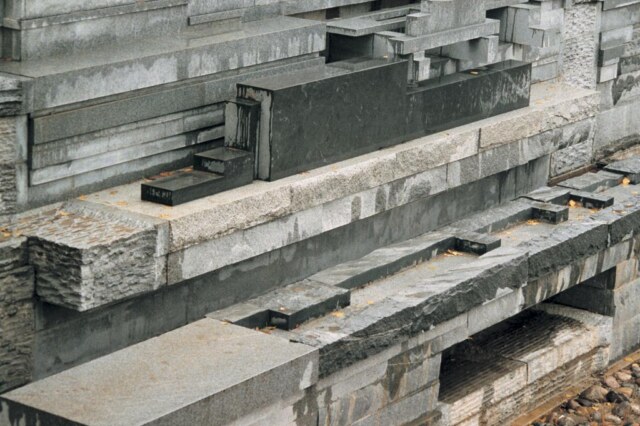
Grand Rapids Sculptural Flood Wall

The City of Grand Rapids invited Michael Singer to propose a public artwork in a site of his choice within the city limits. Singer chose 600 feet of riverbank along the Grand River between the Blue Footbridge and the Fulton Street Bridge where he observed severe erosion of the river bank. Singer proposed a layered sculptural wall and keeping the existing mature cottonwood trees as an alternative to an Army Corps of Engineers’ proposal for a sheer concrete floodwall and the removal of the trees along the riverbank. With the aid of city staff and his team engineers, Singer was able to realize a sculptural environmental regeneration project that restores the river’s edge in a manner that creates habitat and engages the public, while simultaneously meeting the necessary engineering requirements of a flood wall. The 300 foot layered sculptural element is comprised of granite, concrete and pockets of soil and vegetation. The sculptural wall functions as a flood wall while softening the river’s edge with native vegetation and creating small niches that shelter birds and other wildlife living along the river. The sculptural wall is reminiscent of stone foundations from an earlier time, emerging through the steep side of the riverbank. The indigenous plantings as well as the patina of the stone encourage associations with the past. The project also includes a fully accessible walkway to the river’s edge to connect the public to this natural and historic place central to Grand Rapids. The Riverwalk Floodwall became a key precedent for further redevelopment of the river’s edge and riverfront walkways in downtown Grand Rapids. This project has been cited in numerous publications and lectures as an infrastructural innovation that integrates engineering, environmental regeneration and public art into a singular holistic project.

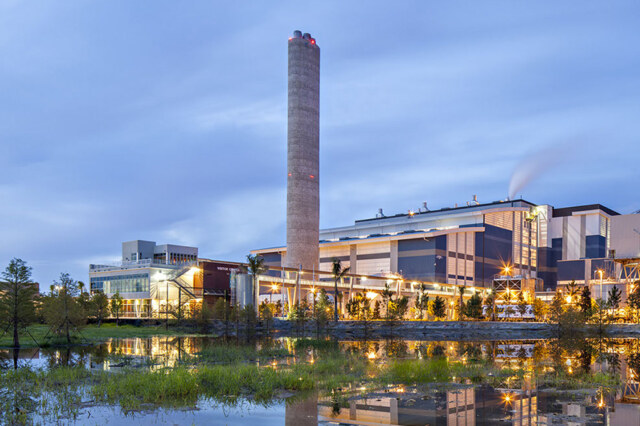
SWA Waste-to-Energy Facility

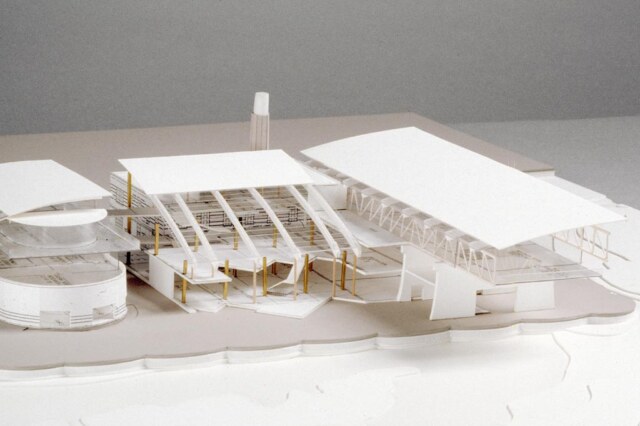
In early 2009 Michael Singer Studio joined the Malcolm Pirnie - Arcadis Design Team for the new Palm Beach County Solid Waste Authority (SWA) Renewable Energy, Waste-to-Energy Facility. The facility will produce over 90MW of electricity from waste, reducing landfilling, displacing the need for fossil fuels and powering approximately 50,000 homes. The Studio developed the conceptual aesthetic and environmental design for this new $700M Facility and assisted in establishing design criteria for the design/build/operate team (ultimately won by B+W). Working with the necessary form and massing of the buildings, the design addresses aesthetic opportunities that can be realized through using the structural typology of common industrial pre-engineered steel buildings. The SWA and Singer Studio goal is to utilize aesthetic enhancements, environmental design and educational outreach to create a place that engages the public and presents itself as a locus of civic pride and commitment to the environment. The 2009 conceptual design includes numerous aesthetic, functional, environmental and educational elements and programs that have been incorporated into the B+W Team design. Michael Singer Studio has an ongoing role in reviewing and advising on the B+W Team design to ensure the final outcome meets the design criteria and provides the best possible value for SWA and the residents of Palm Beach County. (See full Project Description for more information.)

Living Shoreline Seawall Renewal

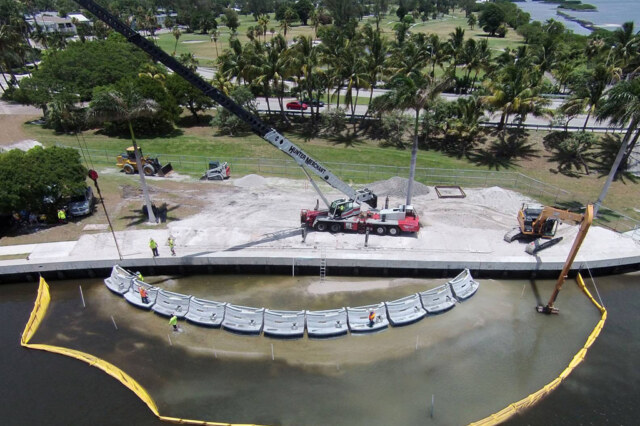
Living Shoreline Seawall Regeneration Project is comprised of sculptural elements that are designed to retain soils to support the growth of mangroves and emergent grasses, create shelter and passage for fish, and establish oyster reef habitat within the Lake Worth Lagoon.

East 91st Street MTS Vision Study

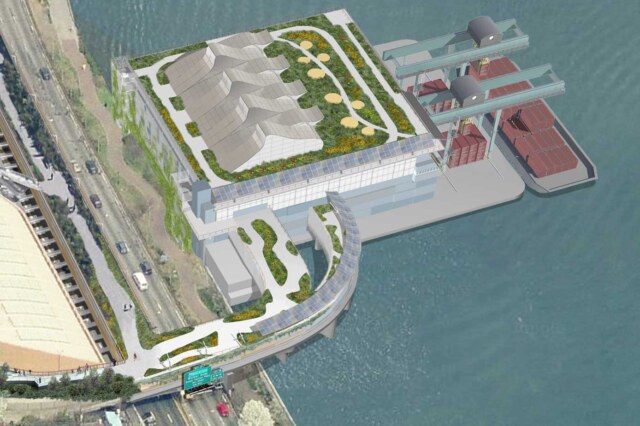
A New Vision for the East 91st Street Marine Transfer Station: Addressing…

Living Docks

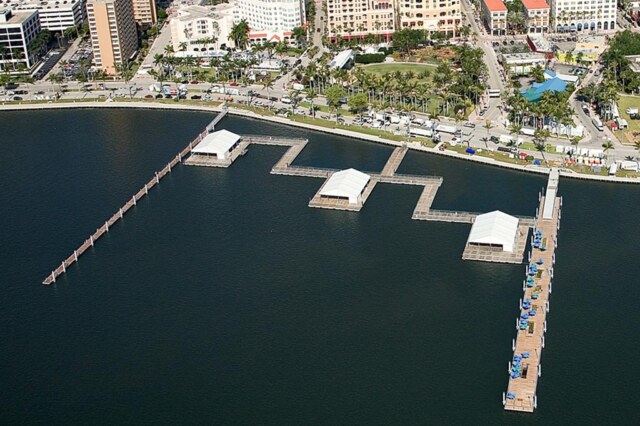
The West Palm Beach Waterfront Commons Project includes three new docks that allow for boat tie-ups and a water-taxi to encourage visitors to the downtown. The large central dock incorporates shaded seating areas and functions as a public event space. This innovative central dock is designed with in-water planters containing native mangroves, spartina grasses and a visible oyster reef set into the dock. Perhaps the first of its kind in the nation, the boat dock and promenade actually functions as a living system, filtering water and providing small pockets of habitat within an estuarine man-made structure. The three new docks were carefully designed to align with the annual West Palm Beach Boat Show layout in order to establish permanent circulation spines for the event. This consideration reduces the cost and environmental impact of numerous steel pilings necessary for the Boat Show’s temporary docks. The alignment of the docks, while somewhat counterintuitive from a more traditional street-alignment planning, encouraged the Boat Show to contribute $1 million to the construction of the project. Another annual event along the Waterfront, Sunfest, also attaches temporary docks and floating bars to the docks for their multi-day event.

NYC Cogeneration Power Plant

TGE Cogeneration Power Facility Greenpoint, Brooklyn, New York Trans Gas Energy (TGE)…

AES Cogeneration Power Plant

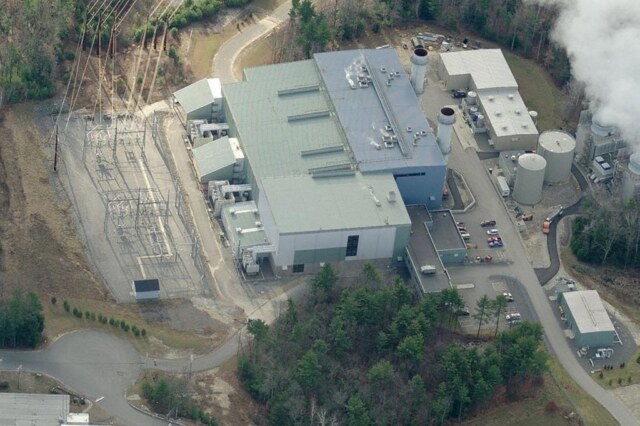
Londonderry, New Hampshire AES commissioned Michael Singer to design the new AES…

NYC Marine Transfer Stations

Manhattan, New York, 2004 In 2004, the New York City office of…

Refshaleoen Potential, Copenhagen

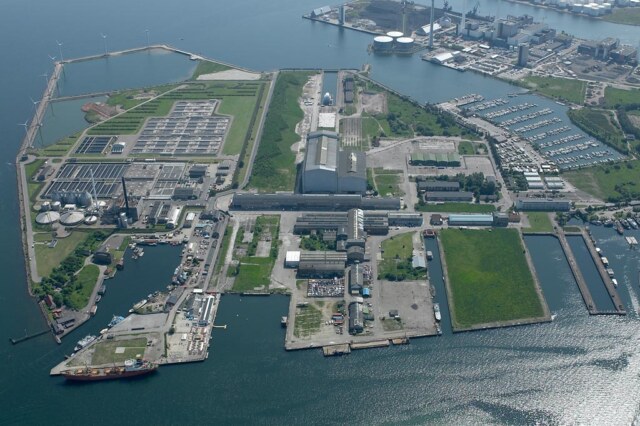
Copenhagen, Denmark Michael Singer Studio led a workshop process called The Edge…

Marine Transfer, Pier 76 NYC

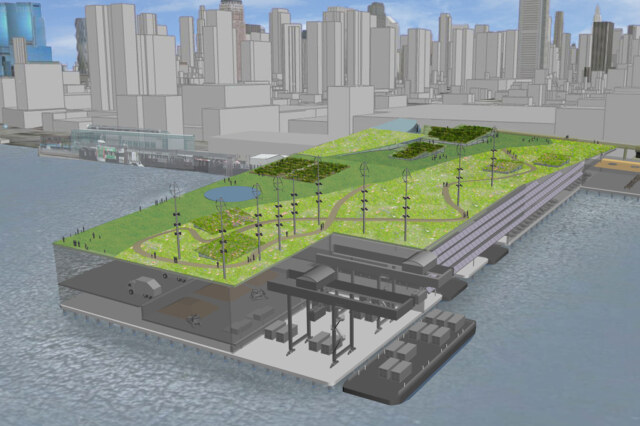
Manhattan, New York Friends of Hudson River Park and the Coalition to…

Infrastructure and Community

Infrastructure and Community: How Can We Live with What Sustains Us? Collaboration…

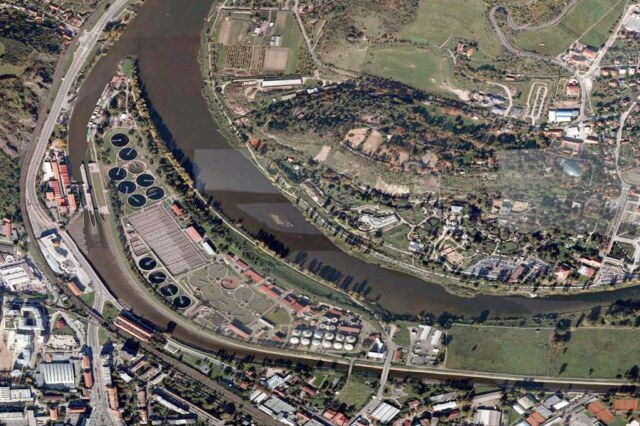
Troja Basin Island, Prague

Troja Basin Revitalization Project Prague, Czech Republic Working with River Watch Network,…

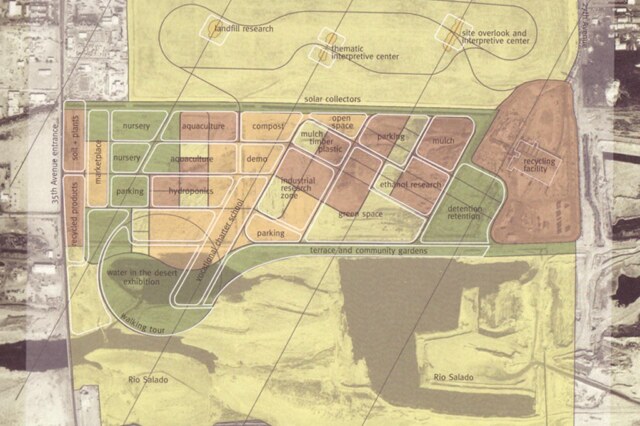
Phoenix CELE Master Plan

Center for Environmental Learning & Enterprise Phoenix, Arizona During an ongoing collaboration…

South Cove Regeneration Project

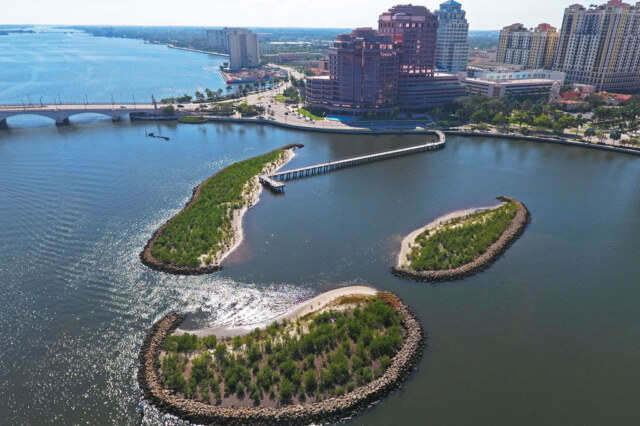
As a part of the West Palm Beach Waterfront Commons, Michael Singer Studio focused on regenerative environmental opportunities along the waterfront, specifically in the southern portion of the project area known as the South Cove. The Studio proposed a series of interventions that would act as a catalyst for regenerating the entire estuarine ecosystem within the South Cove. The Studio investigated regeneration projects along the Lake Worth Lagoon that were created as a part of the Lake Worth Lagoon Initiative and met with the Palm Beach County Department of Environmental Resource Management (PBC DERM) and other agencies to explore the most beneficial environmental strategies. Working with this research the Studio designed a series of stepped tidal gardens along the seawall, tidal islands of mangroves and spartina, and oyster reefs for water filtration, habitat enhancement and critically, to promote the growth of beneficial seagrasses. PBC DERM recognized the value of the conceptual work initiated by Michael Singer Studio and adopted the South Cove project as one of their own major projects as a part of the Lake Worth Lagoon Initiative. PBC DERM has adopted several elements of the original Michael Singer Studio design and advanced the project through engineering, permitting and construction. Utilizing 150,000 cubic yards of local fill material the project has filled a series of anoxic dredge holes (essentially in-water habitat dead zones) and shaped three distinct islands. The project area encompasses 2 acres of mangrove and spartina habitat, 3.5 acres of potential seagrass habitat and 0.9 acres of rock revetment/oyster reef. These habitats provide natural filtration (each oyster for instance filters 40-50 gallons of water a day) and improve water quality through stabilization of the sediments. PBC DERM has also constructed a 556 foot long elevated boardwalk, a 16 foot by 16 foot observation deck and an educational kiosk for public access to the South Cove.

Seminole Parking Structure

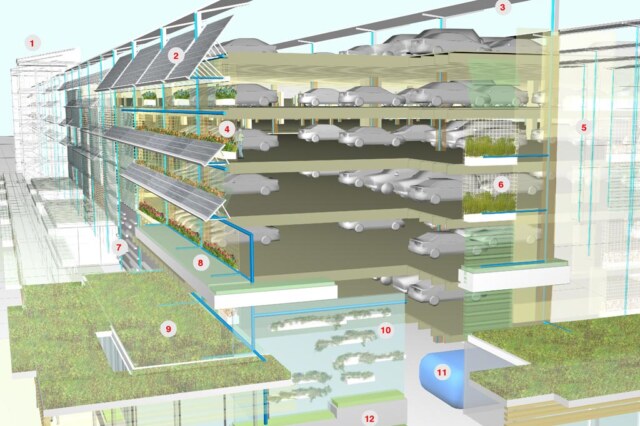
Coconut Creek, Florida Seminole Coconut Creek Casino and Resort engaged Michael Singer…
Sculpted Modular Living Shoreline System

Sculpted Modular Living Shoreline

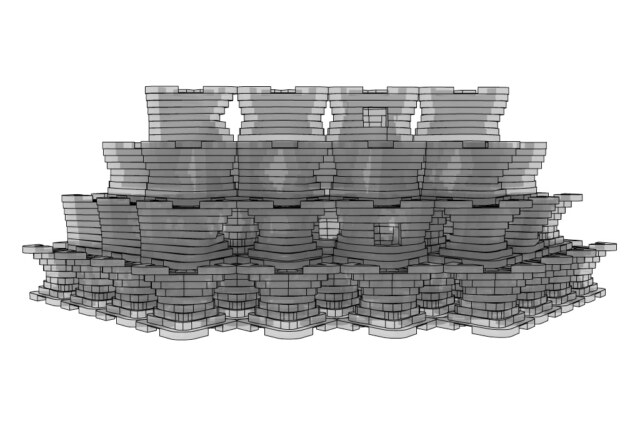
In continuing Michael Singer Studio’s ongoing Living Shoreline Initiative, the Studio has teamed up with Connecticut Sea Grant to explore a sculpted modular living shoreline system. This design was developed for low to moderate wave energy coastal shorelines in Connecticut, but is intended for prototyping, and in-situ study, for potential applications in any similar coastal environment.

WTE and Marine Transfer Complex

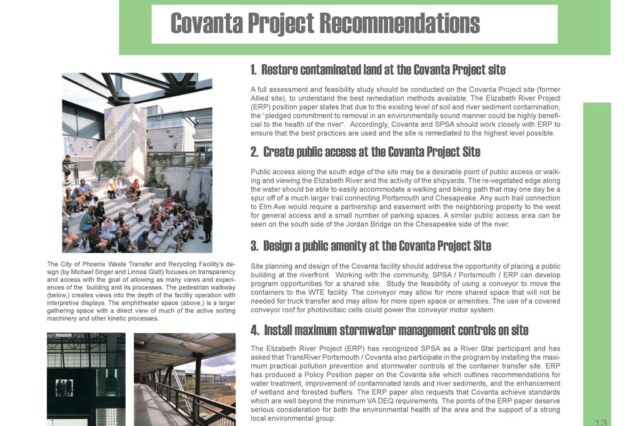
SPSA Waste-to-Energy Complex Portsmouth, Virginia The Southeastern Public Service Administration (SPSA) engaged…

Freshwater Gateway

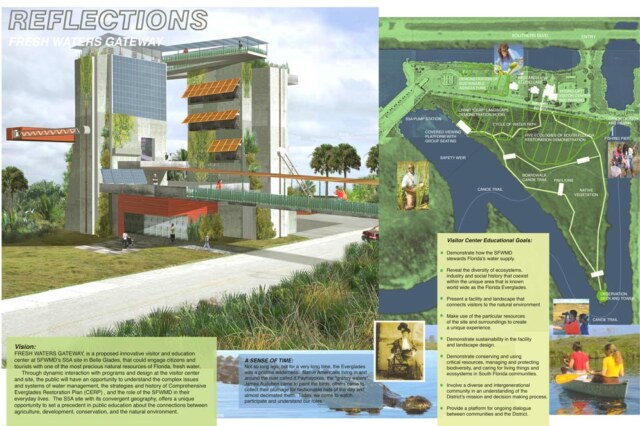
Belle Glades, Florida The South Florida Water Management District asked Michael Singer…

Waste Water Facility Adaptive Reuse

Boulevard Sewage Treatment Plant New Haven, Connecticut In 1988 New Haven, Connecticut…

JMU Newman Lake

Harrisonburg, Virginia The Vision Study for Newman Lake began with an interest…
Infrastructure Design Michael Singer Studio